Quality canton top Synthetic Turf Installation
Quality canton top Synthetic Turf Installation
Blog Article
Man-Made Turf Installation: The Eco-Smart Choice for Your Lawn
Installing artificial grass functions as a practical substitute for homeowners seeking a sustainable lawn option. Its strength and easy care needs present significant gains over traditional grass. As water preservation becomes increasingly important, synthetic grass offers a viable remedy to ecological issues. Still, the decision to put in artificial grass requires various factors that deserve meticulous review. What factors should homeowners evaluate before taking the transition to this sustainable option?
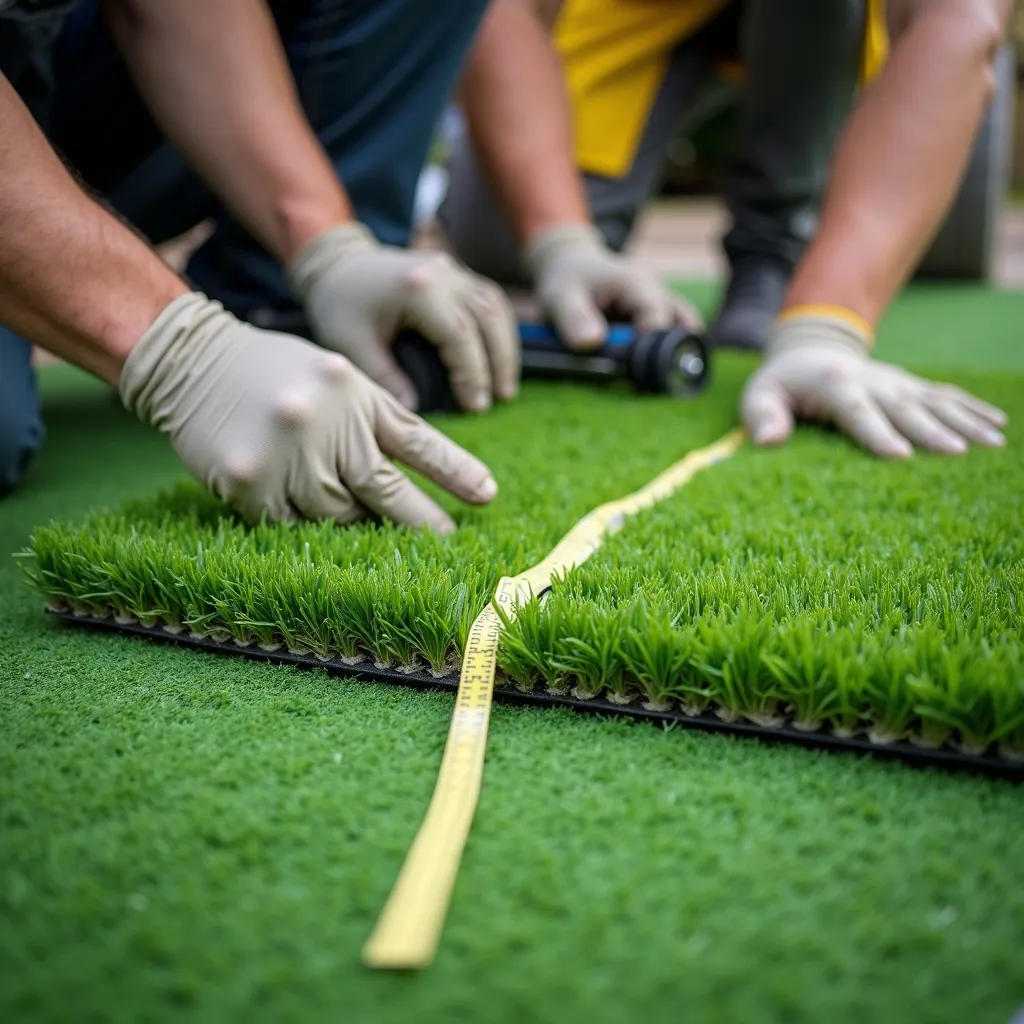
Understanding Synthetic Turf: Essential Features and Benefits
Synthetic turf has become a popular alternative to natural grass, delivering numerous advantages for diverse applications. One of its key features is robustness; synthetic grass can withstand heavy foot traffic and extreme weather conditions without deteriorating. This durability makes it an excellent choice for sports fields, playgrounds, and residential lawns.
Additionally, synthetic turf demands minimal maintenance compared to natural grass. There is no need for cutting, irrigation, or chemical treatments, leading to substantial time and cost savings for homeowners and facility managers alike.
Additionally, synthetic turf is environmentally friendly, as it conserves water and eliminates the need for hazardous chemicals and synthetic nutrients.
Modern synthetic turf mimics the appearance and feel of natural grass through advancements in technology, providing aesthetic appeal without the drawbacks. These features together make synthetic turf a viable and attractive option for a wide range of uses.
Installing Synthetic Turf: A Step-by-Step Guide
When reviewing the benefits of synthetic turf, the next logical step is comprehending the installation process.
The first stage includes site readiness, which includes clearing the area of existing grass, weeds, and debris. Next, a foundation of crushed stone or crushed stone is laid to ensure proper water flow and structural support. Following this, a weed barrier fabric is placed to stop unwanted vegetation.
After creating the base, the synthetic turf rolls are unrolled and positioned, allowing for proper alignment. The edges are fastened with stakes or adhesive, assuring a seamless appearance.
After being positioned, a layer of fill product, such as rubber or sand, is laid evenly to supply weight and support. Finally, the turf is brushed to raise the pile and achieve a natural look.
Following these procedures results in a durable, low-maintenance lawn that enhances both visual appeal and functionality.
Why Pick Synthetic Turf? Environmental and Practical Advantages?
Installing artificial grass offers many environmental and practical benefits that make it an attractive option for numerous homeowners and businesses. One major benefit is water conservation; artificial turf removes the requirement for regular watering, which is especially advantageous in arid regions.
In addition, it reduces the reliance on harmful pesticides and fertilizers, fostering a more sustainable ecosystem.
From a applicable position, man-made grass involves slight maintenance, saving labor and finances on grounds maintenance. It holds thick and green throughout the year, providing a stable aesthetic appeal without seasonal fluctuations.
Moreover, synthetic turf is long-lasting, capable of enduring heavy foot traffic and various weather conditions, making it ideal for both residential and commercial applications.
These qualities not only optimize the practical application of open-air areas but also further extended sustainability, offering synthetic turf as an enticing substitute for environmentally conscious clients.
Key Points for Synthetic Turf Setup
Numerous factors must be reviewed before undertaking synthetic turf installation. First, it is important to evaluate the intended use of the area. Different varieties of synthetic turf are designed for distinct activities, such as sports or residential landscaping.
Second, the local climate should be reviewed; some items may handle heat more successfully than others.
Site setup is another vital aspect, calling for sufficient drainage systems and a level surface to ensure durability and operation. Moreover, potential community ordinances or property association guidelines may influence installation options.
Selecting the correct infill material is essential for durability and ease, as it affects both the appearance and texture of the turf.
In conclusion, selecting a credible service provider can considerably influence the excellence and longevity of the installation. By tackling these considerations, homeowners can make knowledgeable decisions that best suit their desires and strengthen their garden spaces.
Caring for Your Synthetic Turf Lawn
A synthetic turf lawn needs a steady upkeep plan to guarantee that its longevity and appearance are maintained.
Regular upkeep includes tackling any spots and applying fix methods as required.
Maintain a steady cleaning routine
A regular maintenance plan is essential for preserving the look and durability of synthetic turf lawns. Routine upkeep helps avoid debris buildup, minimizes odors, and enhances aesthetic appeal.
Property owners should aim to clear leaves, twigs, and other natural waste at least once a week, especially during fall. Additionally, flushing the turf with water once a month can help get rid of dust and allergens, maintaining a fresh look.
In heavily used spaces, regular upkeep may be essential to maintain the lawn condition. During colder months, winter buildup should be carefully removed to avoid damaging the strands.
Finding and Fix Pointers
Identifying and addressing problems quickly is essential for maintaining the integrity of synthetic turf lawns. Regular inspections should be conducted to spot signs of wear, such as tears, fraying, or uneven surfaces.
If a damage is identified, instant action is vital. Minor tears can be repaired with carefully designed adhesive or turf tape, assuring a secure bond without jeopardizing appearance. For larger issues, professionals may be needed to replace sections of turf.
Additionally, safeguarding the base material intact is necessary; any shifting can cause further complications. Consistent brushing helps preserve an level surface and can also uncover dormant defects.
Cost Comparison: Synthetic Turf vs. Natural Grass
When weighing the costs of synthetic turf to conventional grass, preliminary installation fees serve as an important element.
Furthermore, prolonged maintenance costs can markedly shape the complete financial burden of each option.
A thorough examination of these factors delivers essential understanding for prospective buyers.
Initial Setup Expenses
Initial installation costs are crucial in the selection process for homeowners and municipalities considering synthetic turf versus natural grass.
Typically, the upfront costs for synthetic turf can vary from $5 to $20 per square foot, based on quality and installation complexity. In contrast, natural grass installation usually costs between $1 to $2 per square foot.
However, the aggregate investment in authentic lawn can expand significantly due to ground treatment, water distribution, and regular upkeep requirements.
Homeowners and municipalities must balance these upfront expenses against the potential long-term benefits of artificial grass, such as reduced water usage and lower maintenance requirements.
In the end, grasping these costs supports making knowledgeable, sustainable landscaping selections.
Long-Term Upkeep Expenses
Extended upkeep costs significantly influence the overall economic viability of synthetic turf compared to natural grass.
Upkeeping natural grass involves recurring financial commitments, including regular cutting schedules, nutrient enrichment, proper irrigation, and preventative pest control, which can compound substantially over time. Homeowners may disburse hundreds to thousands of dollars annually to maintain a vibrant lawn.
By contrast, synthetic turf requires little maintenance, chiefly sporadic cleaning to clear unwanted particles. While the initial investment for synthetic turf may be greater, the diminished future costs render it an attractive alternative.
In addition, synthetic turf cuts out irrigation expenses connected to irrigation, further enhancing its cost-effectiveness over time.
Ultimately, the monetary benefits of see this article synthetic turf upkeep can result in substantial savings for property owners in the long term.
Challenging Regular False Beliefs About Synthetic Turf
Although many people carry misconceptions about synthetic turf, grasping the facts can produce informed choices. One widespread myth is that synthetic turf is damaging to the natural world; however, many materials are made from recycled materials and are engineered to be durable, decreasing waste.
Another common notion is that synthetic turf requires extreme heat management, but modern installations often include effective cooling technologies that reduce temperature issues.
Additionally, some critics argue that synthetic turf encourages synthetic chemicals; yet, advancements in technology have considerably reduced the demand for harmful filler materials.
Finally, the notion that synthetic grass cannot support biodiversity is deceptive; many installations can exist alongside with native plants, offering habitats for local wildlife.
Common Inquired Questions
What Timeframe Should You Plan Before Synthetic Turf Requires Replacement?
Synthetic turf typically lasts between 15 to 25 years before requiring replacement. Factors influencing longevity include grade, upkeep routines, and environmental conditions, which can significantly impact its strength and long-term functionality over time.
Is Synthetic Turf Sound for Dogs and Cats to Enjoy?
Pets may securely enjoy synthetic turf, as it is built to be durable and non-toxic. Regular maintenance promises purity, making it a practical option for pet owners seeking a low-maintenance, enjoyable outdoor space for their animals.
Will Artificial Grass Capture Heat When the Weather is Sunny?
Yes, artificial grass does retain warmth in bright conditions, considerably raising surface temperatures. This can lead to unease for both animals and people. Frequent irrigation or choosing lighter-colored turf can help mitigate this heat retention.
What Are the Options for Synthetic Turf Hues and Styles?
You can find artificial grass options with various colorations like vibrant greens, earthy browns, and even specialty shades. Styles range from true-to-life mimicry of natural grass to creative designs, catering to varied styles and practical requirements.
In What Ways Does Synthetic Turf Effect Local Wildlife?
Synthetic turf can disrupt local wildlife by altering habitats and reducing natural food sources. Its inflexibility may discourage certain species from nesting or foraging, potentially resulting in reduced species diversity in the affected areas.
Report this page